
How to Reduce Anxiety in Children with Autism at Home
Most people don’t expect it to feel this overwhelming until it does.
At first, it may look like a hard morning, a tough transition, or a child who suddenly seems upset by things that did not seem like a big deal before. Then little by little, the whole day starts to feel heavier. You may find yourself watching every sound, every routine, every change in mood, hoping to avoid the next difficult moment.
If that sounds familiar, you are not failing.
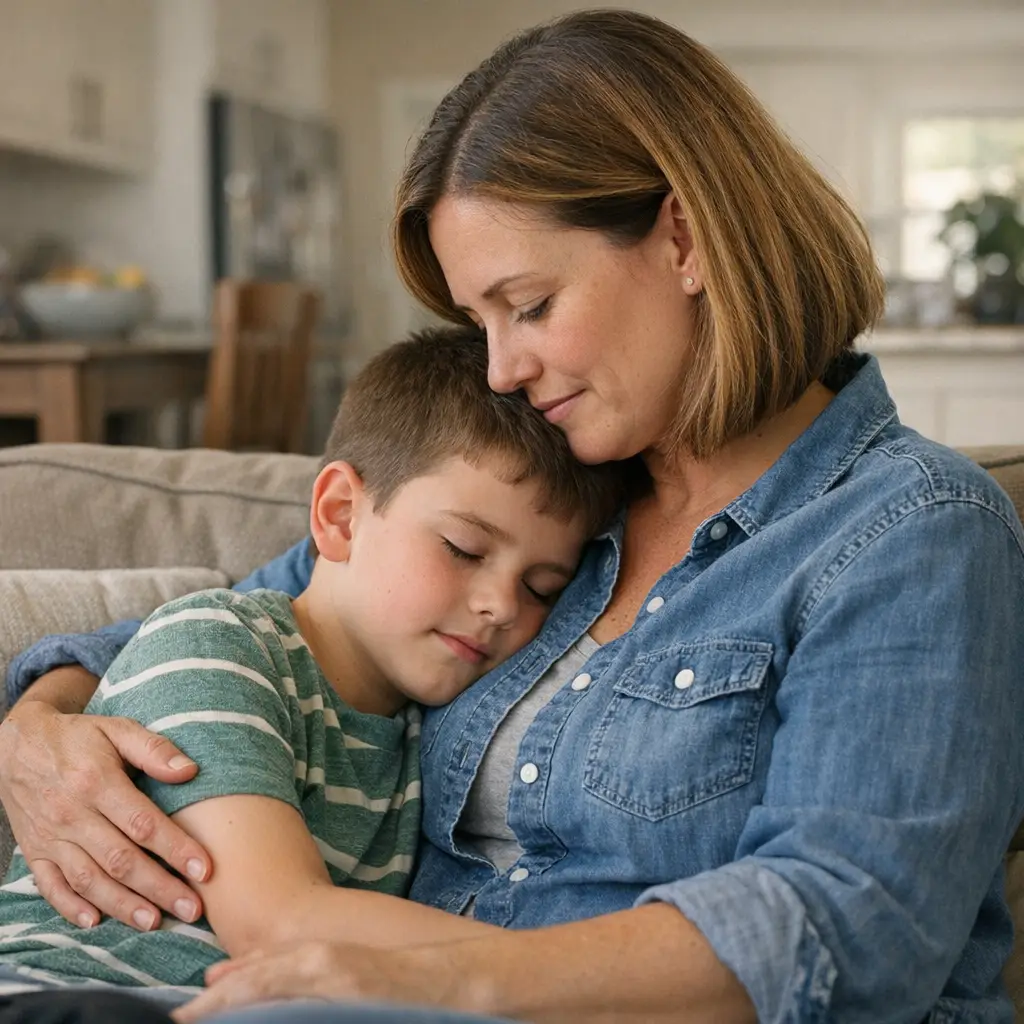
You are likely doing what so many loving parents, grandparents, and caregivers do every day: trying to make home feel safe while also trying to understand what your child needs. And when anxiety shows up often, it can leave everyone in the house feeling tense, tired, and unsure of what helps most.
The good news is that support at home does not have to be complicated to matter. Small, steady changes can help lower stress and make daily life feel more predictable for your child and for you.
A Gentle Place to Begin
If you are searching for how to reduce anxiety in an autistic child, what you probably want most is not a perfect answer. You want something calm, realistic, and doable.
Here is the simple truth: anxiety often becomes easier to manage when home feels more predictable, communication feels gentler, and daily support feels steady instead of rushed. That does not mean every day will be smooth. It means your child can begin to feel more secure, and you can begin to feel less alone in figuring things out.
In many homes, the most helpful first steps include:
- creating simple routines your child can count on
- watching for sensory triggers like noise, light, or crowding
- preparing your child for transitions before they happen
- using calm, clear language
- keeping the environment as steady and supportive as possible
These are small things.
But small things often change the tone of the whole day.
When It Starts to Feel Like Too Much
There is often a point where families start feeling like they are walking on eggshells at home.
You may notice that getting dressed becomes a battle. Bedtime turns into a long stretch of stress. Leaving the house feels harder than it should. A small change in plans can bring a big reaction. After a while, it becomes difficult to tell what is causing the anxiety and what is simply the result of everyone already feeling worn down.
This is often the moment families don’t see coming.
Because what starts as a few difficult moments can slowly shape the mood of the whole household. Siblings may feel the tension. Caregivers may begin avoiding outings, visitors, or even simple routines because it all feels too unpredictable. The child may seem more withdrawn, more reactive, or more exhausted by everyday tasks.
And this is where support starts to matter more.
Not because anyone has done something wrong, but because anxiety can quietly grow when a child does not feel settled, understood, or prepared for what comes next.
Why This Gets Harder Over Time
Anxiety at home does not always stay small.
When a child feels unsure about what is happening, what is expected, or what sensory input is coming next, the body can stay on alert. That can make daily routines feel harder than they look from the outside. Over time, stress can build around transitions, meals, bath time, homework, sleep, and social interaction.
This is where things start to feel heavier.
Without steady support, families may begin reacting to each hard moment instead of being able to prepare for patterns. That can lead to more stress on both sides. The child feels less secure. The caregiver feels less confident. The day begins to revolve around avoiding what might go wrong.
Over time, anxiety may affect:
- sleep and bedtime routines
- emotional regulation
- school readiness or after-school decompression
- family outings and social comfort
- the child’s sense of safety at home
- caregiver stress and burnout
That is why early, gentle changes matter. Not because every concern is urgent, but because support is often easier to build before the whole household feels stretched too thin.
What This Actually Looks Like Day to Day
For many families, anxiety does not always look like obvious fear. Sometimes it looks like resistance. Sometimes it looks like shutdown. Sometimes it shows up as anger, tears, pacing, avoidance, clinginess, or a sudden need for control.
And that can be confusing.
You might think your child is refusing, when they are actually overwhelmed. You might think a reaction came out of nowhere, when in reality the stress had been building for hours.
Here are a few day-to-day examples of what anxiety at home can look like:
| Situation | What You May Notice | What May Be Happening |
|---|---|---|
| Getting ready in the morning | delays, frustration, refusal, tears | too many steps, sensory discomfort, stress about transition |
| After school | meltdown, silence, irritability, hiding | the child may be overstimulated and need time to decompress |
| Unexpected change in plans | panic, anger, repeating questions, distress | loss of predictability can feel deeply unsettling |
| Bedtime | restlessness, repeated requests, fear, difficulty settling | the child may be carrying stress from the whole day |
When you start viewing these moments through the lens of stress instead of defiance, it becomes easier to respond with calm support.
That shift matters.
What Support Can Look Like
Support at home is not about controlling every moment. It is about making the environment feel steadier, clearer, and less overwhelming.
For many children, anxiety lowers when they know what to expect, when transitions are softened, and when the adults around them respond in calm, consistent ways.
Helpful support may include:
- Simple routines: Keep daily patterns as predictable as possible. Even a basic order for morning, after-school, or bedtime routines can create comfort.
- Gentle transition warnings: Let your child know what is coming next with simple reminders. A few calm warnings before a change can reduce stress.
- Quiet recovery time: Some children need a calm break after school, errands, or social time before they can handle another task.
- Clear language: Use short, simple instructions instead of long explanations when your child is already overwhelmed.
- Sensory awareness: Notice if noise, bright lights, clothing textures, crowding, or too much activity seem to increase distress.
- Emotional steadiness: A calm voice, slower pace, and fewer words can help more than repeated correction in high-stress moments.
None of this is about being perfect.
It is about helping home feel safer, one part of the day at a time.
A Simple Way to Start
If everything feels like too much right now, do not try to change everything at once.
Start by choosing one part of the day that feels hardest. Maybe it is getting dressed. Maybe it is after school. Maybe it is bedtime. Watch that one part of the day closely for a few days and ask yourself:
- What seems to happen right before the stress builds?
- Is there a sound, task, texture, or change causing discomfort?
- Does my child seem confused about what comes next?
- Would fewer steps or a calmer pace help here?
Then make one small change.
Not ten. One.
You might shorten the routine. Lower the noise. Give a transition warning. Add a few quiet minutes before the next task. Use fewer words. Repeat the same order each day.
That is often where progress begins.
Not with a huge plan, but with one supportive adjustment that helps your child feel more secure.
What to Look for in Help
Sometimes families reach a point where managing everything alone starts to feel too heavy. That does not mean the situation is out of control. It means support may be needed in a more consistent way.
For some families, helpful support means having someone else in the home who can bring calm structure to the day, help with routines, offer companionship, and reduce pressure on the main caregiver. This can be especially meaningful when a parent or guardian is trying to juggle work, other children, household responsibilities, and the emotional demands of daily care.
When looking for help, families often feel best with support that is:
- patient and dependable
- calm during transitions and stressful moments
- respectful of the child’s pace and preferences
- focused on companionship and daily support
- able to follow familiar routines in the home
- reassuring for both the child and the family
The right help should not make the home feel more complicated. It should help the home feel lighter.
Common Mistakes Families Make
When people are exhausted, they often reach for whatever gets them through the moment. That is understandable. Still, there are a few patterns that can make anxiety harder over time.
Some of the most common mistakes include:
- Changing too much at once: Big changes can create more stress. Small, steady changes are often easier for a child to adjust to.
- Talking too much during high-stress moments: When a child is overwhelmed, long explanations may add pressure instead of comfort.
- Expecting every day to look the same: Some days will be harder than others. Support works best when it is consistent, not rigid.
- Missing sensory triggers: What looks like difficult behavior may actually be discomfort from noise, light, clothing, or crowding.
- Waiting until everyone is burned out: Many caregivers do not realize how much anxiety is shaping the day until routines begin to break down.
This is not about blame.
It is about noticing what may be adding weight and gently making room for something more supportive.
Questions Families Often Ask
How can I calm an autistic child with anxiety at home?
Start with calm, predictable support. Lower noise when possible, keep routines simple, give transition warnings, and use clear language. Many children feel safer when daily life feels more steady and less rushed.
What causes anxiety in children with autism at home?
It can be different for every child, but common causes include sensory overload, sudden changes, unclear expectations, hard transitions, fatigue, and too much stimulation. Sometimes several small stressors build up across the day.
How do I know if my child is anxious or just resisting?
It is not always easy to tell. Anxiety can look like avoidance, frustration, anger, repeated questions, clinginess, or shutting down. Looking at patterns, triggers, and timing can help you better understand what your child is feeling.
Can routines really help reduce anxiety?
Yes, for many children they can. Predictable routines can lower uncertainty and make the day feel safer. Even simple routines around mornings, after school, and bedtime can help.
When should I look for extra support at home?
If daily stress is affecting the whole household, if routines are becoming harder to manage, or if you are feeling constantly overwhelmed, it may be time to look for added help. Gentle, dependable companionship and daily support can make home feel calmer for everyone.
A Calm Next Step
If home has started to feel tense, unpredictable, or emotionally exhausting, you are not the only one living through that. Many families reach this point quietly, long before they say out loud that they need support.
And that is often where things begin to change.
Not when everything is solved, but when someone finally says, this is hard, and we need a steadier way through it.
Learning how to reduce anxiety in children with autism at home usually starts with a shift in pressure. Less urgency. Less guilt. More calm observation. More predictable support. More room for the child to feel safe and for the caregiver to breathe.
At Home Health Smiles, we believe support should feel gentle, trustworthy, and human. For families who need extra companionship and daily support at home, having the right help can make everyday life feel more manageable and a little less heavy.
Sometimes that is exactly what a family needs most.